
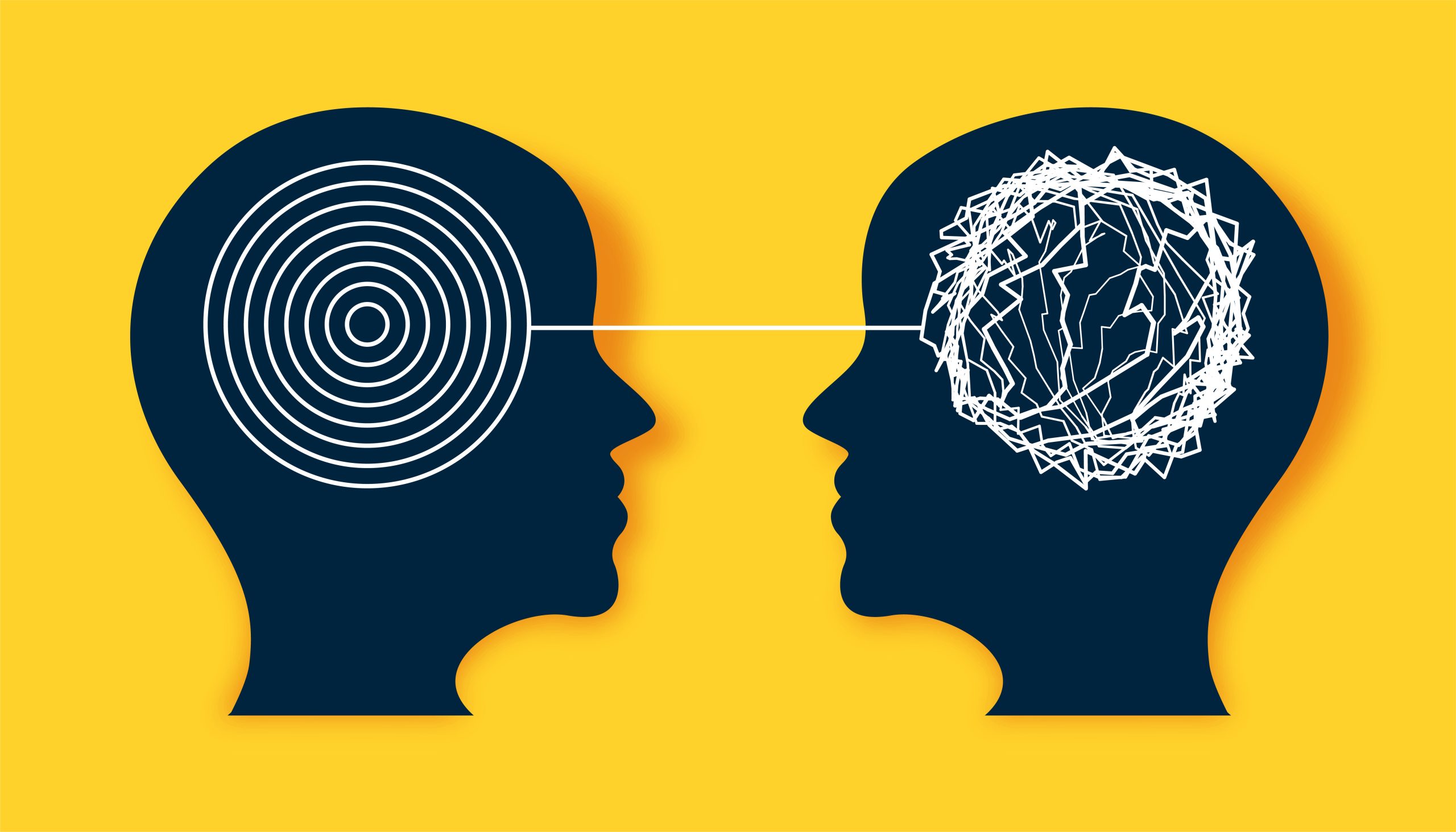

March is Fraud Prevention Month, and we want to address something important: falling for fraud has nothing to do with intelligence.
Every year, educated professionals, tech-savvy millennials, and security-conscious individuals fall victim to scams. Not because they’re careless or naive, but because fraudsters have become experts at exploiting how our brains actually work.
Today, we’re pulling back the curtain on the psychological tactics that make fraud effective – so you can recognize when someone is trying to manipulate your natural thought patterns.
The Cognitive Shortcuts Fraudsters Exploit
Your brain is designed to take shortcuts. It has to be. We make thousands of decisions every day, and if we carefully analyzed each one, we’d never get anything done. These mental shortcuts – called heuristics – help us navigate life efficiently.
Fraudsters know this. And they’ve built their playbook around hijacking these shortcuts.
The Authority Shortcut
Your brain is wired to trust authority figures. It’s a survival mechanism that helped humans cooperate in complex societies. When someone presents themselves as a police officer, bank representative, or government official, your brain’s default response is compliance.
How fraudsters exploit it:
- Using official-sounding titles and jargon
- Displaying fake badges, ID numbers, or credentials
- Speaking with confidence and technical language
- Mimicking the communication style of real institutions
The slow-down signal: Real authorities never demand immediate action or payment. If someone claims to be from a legitimate organization and insists you must act RIGHT NOW, that urgency itself is a red flag.
The Scarcity Shortcut
When something is scarce or time-limited, your brain shifts into acquisition mode. This response helped our ancestors grab resources before they disappeared. Modern fraudsters use artificial scarcity to trigger this ancient reaction.
How fraudsters exploit it:
- “This offer expires in 30 minutes”
- “Only 3 spots left”
- “Your account will be closed if you don’t respond today”
- “This investment opportunity won’t be available tomorrow”
The slow-down signal: Legitimate businesses don’t evaporate if you take time to think. If an opportunity is real today, it will be real tomorrow. Artificial urgency is designed to prevent you from doing research, asking questions, or consulting others.
The Reciprocity Shortcut
When someone does something for you, your brain creates an unconscious obligation to return the favour. This social glue helped humans build cooperative relationships. Fraudsters weaponize it.
How fraudsters exploit it:
- Romance scammers who provide emotional support before asking for money
- Tech support scammers who “help” with a fake problem before requesting payment
- Phishing emails that offer “free security scans” before harvesting your information
- Investment fraudsters who share “insider tips” before pitching their scheme
The slow-down signal: Notice when someone establishes a pattern of giving before asking. Real relationships develop naturally over time. Artificial intimacy or helpfulness that accelerates unusually fast is often a setup.
The Social Proof Shortcut
Your brain looks to others to determine correct behavior, especially in unfamiliar situations. If everyone else is doing something, it must be safe. Fraudsters manufacture false social proof.
How fraudsters exploit it:
- Fake testimonials and reviews
- “Everyone in your neighborhood is signing up”
- Fabricated lists of other victims who’ve already paid
- AI-generated photos and profiles that seem real
The slow-down signal: Social proof should be independently verifiable. Real testimonials can be confirmed. Real reviews exist across multiple platforms. If the only proof exists within the fraudster’s controlled environment, it’s likely manufactured.
How to Slow Down (Even When Your Brain Wants to Speed Up)
Understanding these shortcuts is the first step. But awareness alone isn’t enough – you need practical strategies to interrupt the automatic response.
Create a decision buffer: For any request involving money, information, or account access, implement a mandatory waiting period. Tell yourself: “I will sleep on any decision that involves my finances or personal information.” This simple rule neutralizes urgency tactics and gives your rational brain time to engage.
Use the third-person test: When you feel pressure to act, imagine explaining the situation to someone you respect. If you’d feel embarrassed describing it out loud, that’s your instinct telling you something is wrong. Better yet, actually tell someone. Fraudsters rely on isolation. Conversation breaks the spell.
Verify through independent channels: Never use contact information provided by the person making the request. If your bank “calls,” hang up and call the number on your card. If you receive an email, don’t click links – go directly to the website yourself. This breaks the fraudster’s controlled environment and often immediately reveals the scam.
Notice the emotion: Fraudsters deliberately trigger strong emotions: fear (your account is compromised), greed (exclusive investment opportunity), urgency (act now or lose out), or love (romance scams). When you feel a strong emotional response to a financial or information request, that’s your signal to pause. High emotion impairs judgment – which is exactly what fraudsters count on.
This Fraud Prevention Month, Be Kinder to Yourself
You’re not fighting fraud alone with just your vigilance and willpower. You’re building a system that accounts for human psychology, includes verification steps, and has professional support when you need it.
Intelligence isn’t the shield against fraud – understanding how your brain works is.