
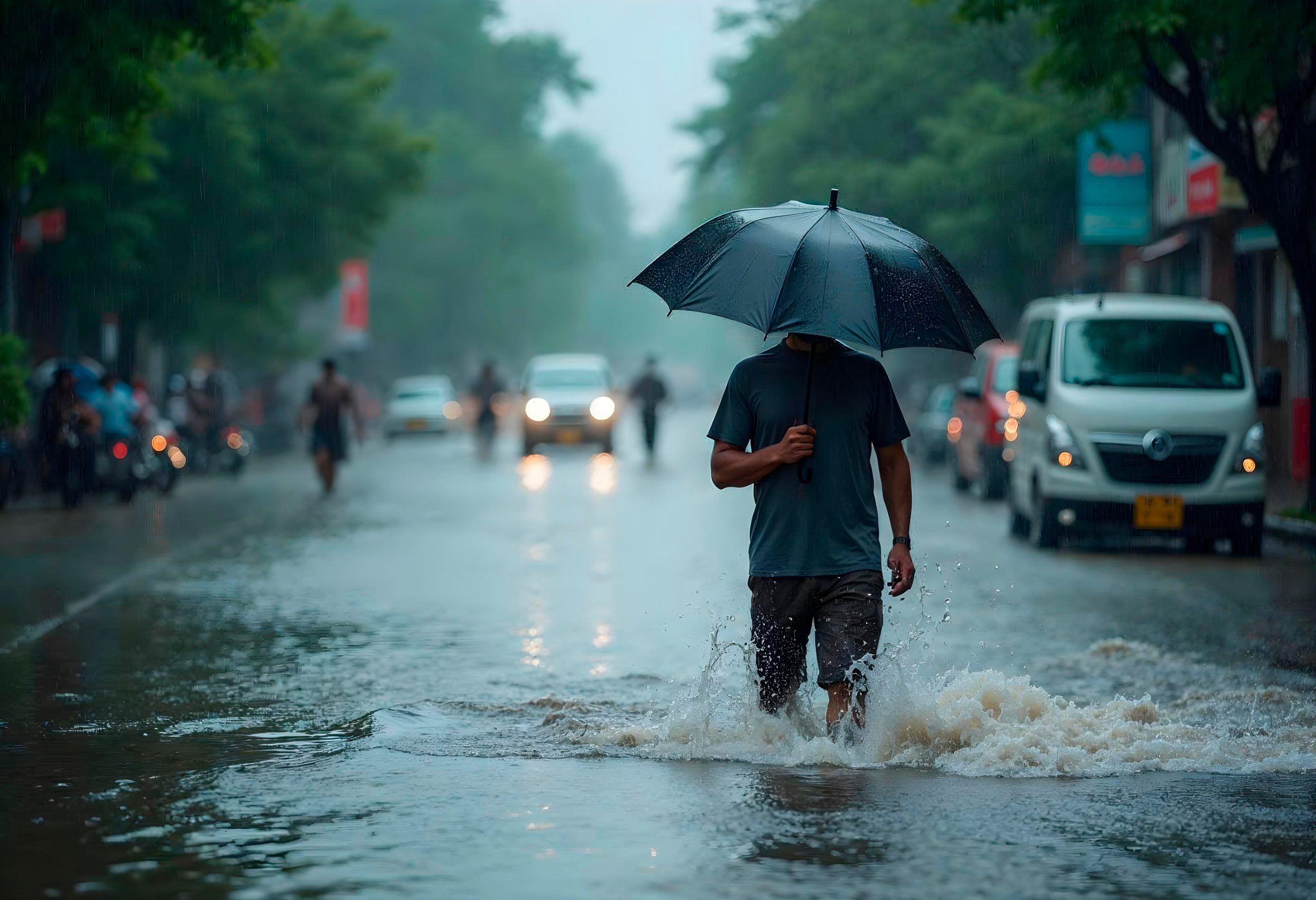

July’s here, and with it comes the peak of Canadian summer – barbecues, camping trips, and unfortunately, some of the year’s most extreme weather. From devastating wildfires in British Columbia to severe flooding in Eastern Canada, summer disasters have become an unwelcome annual reality for many communities across our country.
While Canadians are known for stepping up to help our neighbours in times of need, fraudsters are counting on exactly that generosity. When disaster strikes, scammers can swoop in faster than emergency responders, exploiting both victims of the disaster and well-meaning people who want to help. Following major disasters like the 2023 wildfire season, the Canadian Anti-Fraud Centre has warned that fraudsters may capitalize on disaster-related scams targeting both affected communities and donors across Canada.
The Perfect Storm: How Fraudsters Exploit Disasters
Extreme weather events create the perfect conditions for fraud. In the chaos following a disaster, normal verification processes break down, people are displaced from their usual routines, and emotions run high. Fraudsters exploit this vulnerability in several ways:
Fake Relief Organizations: Scammers create convincing websites and social media pages for non-existent charities with names that sound similar to legitimate organizations like the Red Cross or Salvation Army. They often use emotional photos and urgent appeals to tug at heartstrings and wallets.
Impersonation of Government Agencies: Fraudsters pose as representatives from Emergency Management Canada, provincial emergency services, or local municipalities, claiming they need personal information to “verify disaster relief eligibility” or demanding upfront fees for assistance.
Contractor and Insurance Scams: After storms or floods, fake contractors appear door-to-door offering “emergency repairs” for cash up front, while fake insurance adjusters collect personal information claiming they need to “fast-track” claims.
Red Flags: Spotting Disaster Fraud
Whether you’re seeking help after a disaster or wanting to donate to relief efforts, watch for these warning signs:
- Pressure to act immediately – Legitimate organizations understand that disaster response takes time and won’t pressure you to make instant decisions or payments.
- Requests for payment via gift cards, wire transfers, or cryptocurrency – Real relief organizations and government agencies accept normal payment methods and provide proper receipts.
- Unsolicited contact – Be suspicious if someone contacts you claiming to offer disaster assistance that you didn’t request, especially if they ask for personal information or payment upfront.
- Poor website quality or missing contact information – Legitimate charities have professional websites with clear contact information, registration numbers, and detailed information about their programs.
Your Safety Playbook: Staying Safe During Extreme Weather
Beyond knowing what to watch for, taking proactive steps can significantly reduce your fraud risk. Here’s your action plan for before, during, and after extreme weather events.
Before donating:
- Research any charity through the Canada Revenue Agency’s registered charity database online
- Donate directly through an organization’s official website rather than clicking links in emails or social media posts
- Be wary of charities that seem to appear overnight after a disaster
If you’re seeking assistance:
- Contact established organizations like the Red Cross directly through their official channels
- Verify any government assistance programs through official government websites or by calling established helplines
- Never provide personal information like your Social Insurance Number to unsolicited callers
General security:
- Keep important documents in a secure, waterproof location and consider digital backups stored in cloud services
- Monitor your accounts closely if you’ve had to share personal information during emergency situations
- Report any suspicious activity to local police and the Canadian Anti-Fraud Centre
Natural disasters will always test our communities, but we don’t have to let fraudsters add to that burden. By staying informed about these scams, you’re not just protecting yourself – you’re helping protect your entire community. When we all know what to watch for, scammers lose their advantage.
Whether you’re dealing with extreme weather, planning to help disaster victims, or simply want to stay prepared, remember that knowledge and vigilance are your strongest defenses.
Remember to stay vigilant, stay informed, and stay safe.